Planting a diverse food plot can be one of the smartest things you do for whitetails, but it works best when you're intentional about timing and spacing. Deer don't need the same food all season long. Their appetite changes with temperature, pressure, and the natural progression of crops and mast. That's why a plot built around multiple species — some attractive in early season, some that peak in the middle, and others that carry you into late season — can keep deer visiting your property longer and more consistently.
The idea is simple: give deer a reason to stay on your ground now, and another reason to keep returning as the season changes. Early season deer are often drawn to high-quality, palatable forage when they're still in a predictable feeding pattern. A green soybean field, clover, or a well-managed alfalfa stand can be excellent early because the deer can feed safely and efficiently. As fall deepens, brassicas, oats, cereal grains, and winter wheat begin to shine. Once frost hits, brassicas like turnips and kale often improve in sweetness, while grains can provide the kind of energy deer want when the weather turns cold. By late season, standing beans, corn, and remaining green forage can be absolute magnets, especially if surrounding natural food sources have been picked clean.
Plant for Ripeness Across the Season
That's where planting for "ripeness" across the season really pays off. A good plot isn't just one food source that peaks all at once. It's a planned rotation of attraction. Some plants are at their best in summer and early fall, some hold their value through the rut, and some become especially important once winter stress sets in. If you can blend those together or divide a larger field into sections, you create a property that stays relevant from September through January instead of going dead after the first hard frost.

Think in Layers, Not Crops
A practical approach is to think in layers. Warm-season legumes like soybeans and clover can carry early and midseason. Brassicas and oats can bridge you into the first cold snaps. Winter wheat or cereal rye can keep greens available when many other forages fade. In some setups, a strip of corn or standing grain on the edge of a plot gives deer a secure late-season option when calories matter most. The reason this works is that deer are constantly balancing nutrition and safety. If one section of the plot is cut, browsed hard, or frozen out, another section may still be fresh and useful.
One thing I'd stress is not overcomplicating the mix. Multiple food sources in one plot can be great, but only if the species are compatible in growth habits and management needs. If you throw together seeds that compete too hard for sunlight, moisture, or fertility, the plot can end up looking good on paper and poor in the field. A better route is often a mix of complementary plants or a divided plot with distinct sections. That lets you manage each piece by purpose: one area for early-season attraction, another for transition, and another for late-season survival food.
How It Changes the Way You Hunt
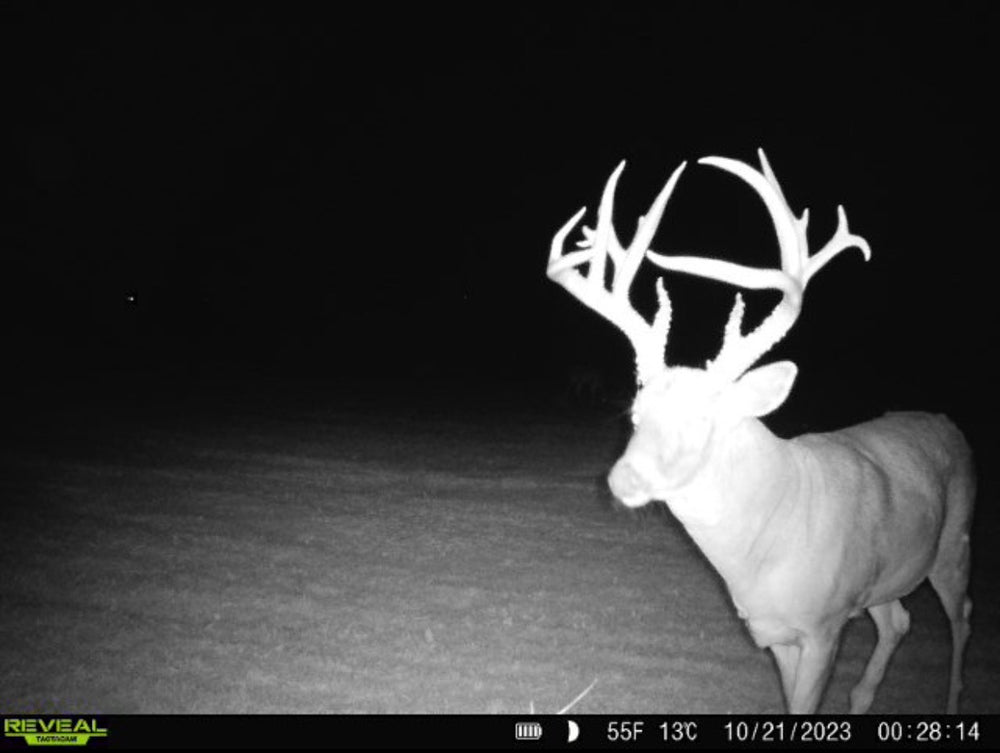
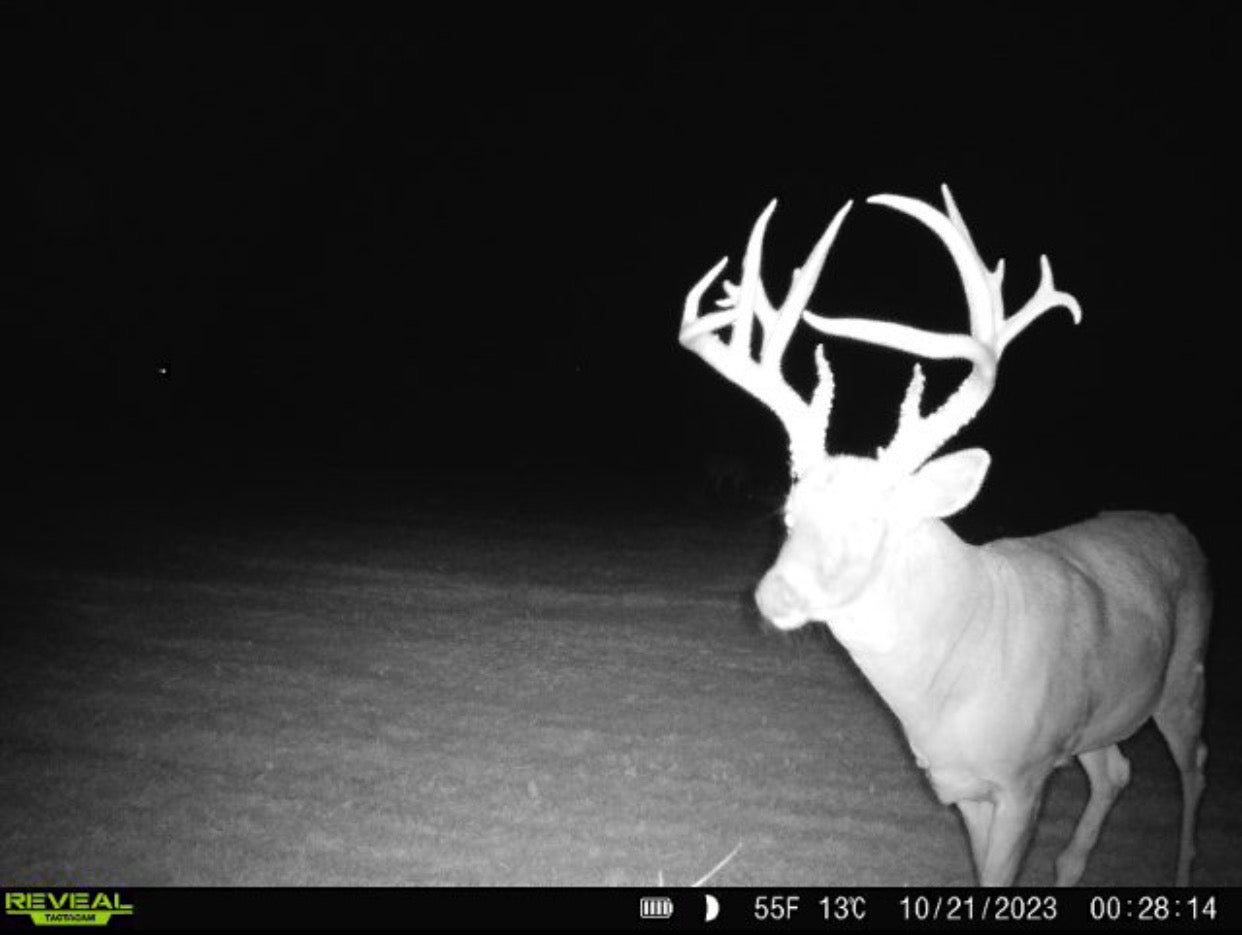
This also helps from a hunting standpoint. When deer have variety, they often show patterns earlier and stay more consistent as one food source fades and another comes on. That makes scouting easier. You can watch trail cameras, bedding exits, and entry trails to learn which section they prefer at different times of year. Then, instead of blowing up your best plot by hunting it too often, you can rotate stands and keep pressure low. That's especially important on mature bucks, which will tolerate very little mistake once the season gets serious.

What to Plant and Where to Start
If you're planting right now, the best choice depends on your region and your goal. In much of deer country, a mix that includes legumes, brassicas, and a cereal grain can give you good seasonal coverage. If your area is drought-prone or short on rainfall, lean toward species that establish reliably with less fuss. If you want a plot that really stretches the season, focus on variety in maturity dates as much as species. That way, something is always coming on, holding, or peaking.
"The biggest advantage of a 'many foods, many stages' plot is confidence. Deer don't have to leave your property to find what they need, and you don't have to guess as often where they'll be. Done right, it becomes a food calendar in the dirt: early-season groceries, midseason transition, and late-season survival food all in one system."