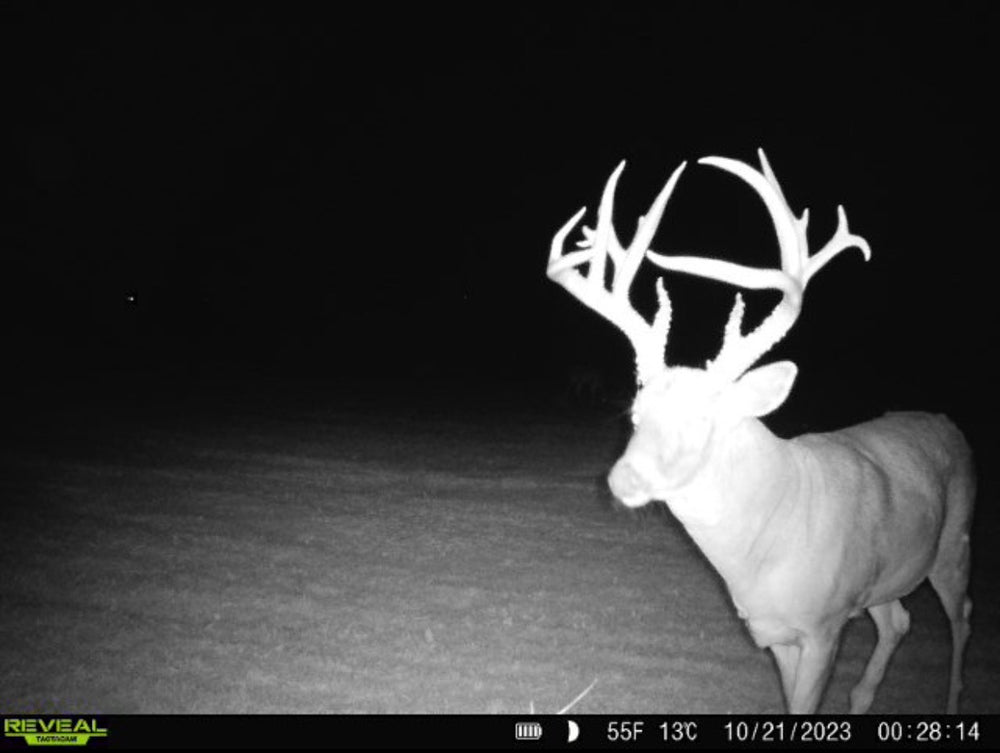
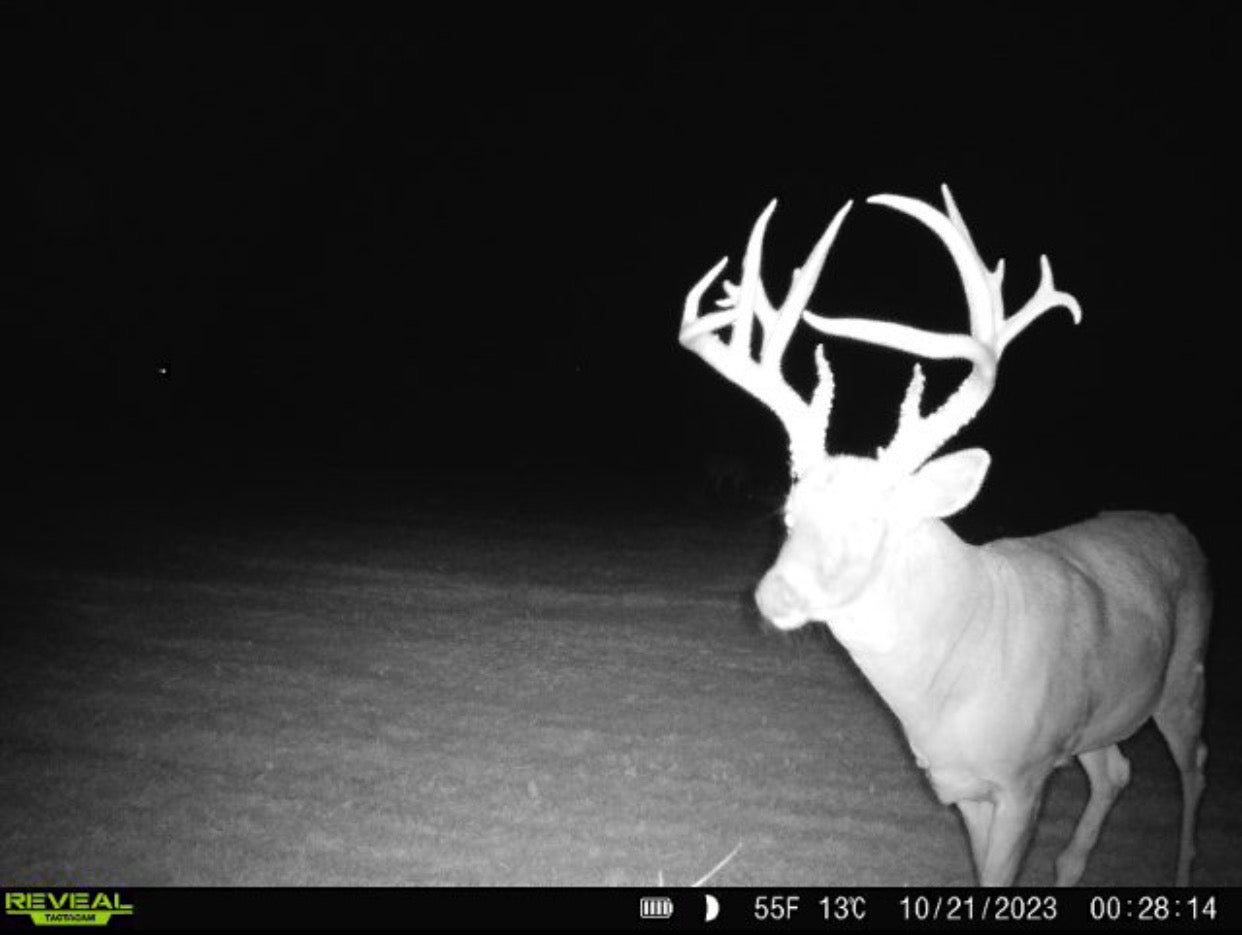
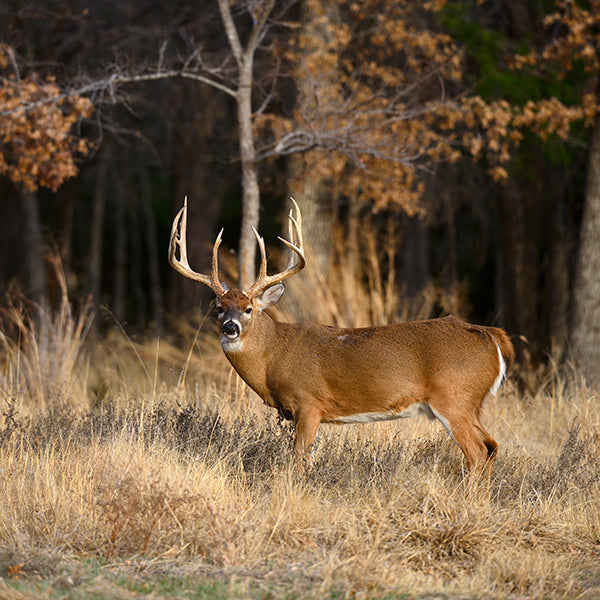
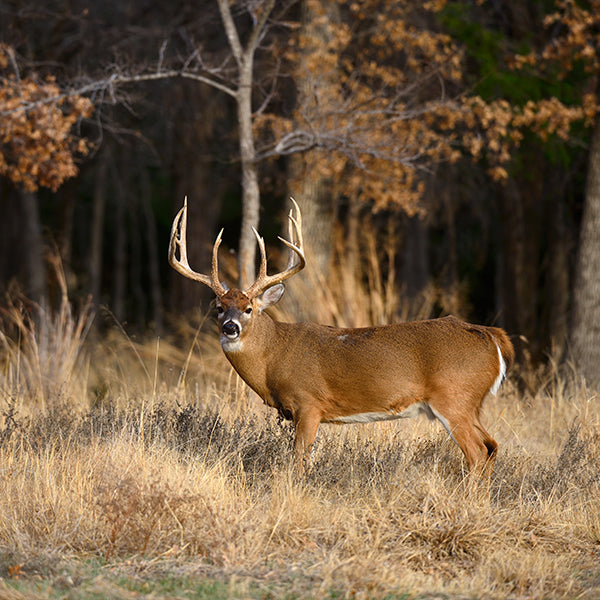
Mid-summer is a fine time to start laying the groundwork for the season ahead, and one tactic I’ve had good success with is building mock scrapes well before opening day. The idea is simple: create a scrape that deer begin to check naturally, so by the time season opens, you’ve already got a little history in the area. If you do it right, you’re not just monitoring bucks — you’re conditioning them to use a spot you can hunt later.
The best time to start is when bucks are still in their summer patterns, usually around bachelor groups and preferred food sources. A mock scrape placed near a travel corridor, field edge, or inside corner can give you a window into what deer are using the area. With a trail camera, you can learn which bucks are visiting, what time they show up, and what direction they’re traveling from. That kind of information is gold when season rolls around.
Scent: Keep it Natural
When it comes to scent, I prefer using raw, frozen deer scent if it’s legal where you hunt and sourced properly. The point isn’t to overdo it. You want the scrape to smell natural and fresh, not like a science experiment. A light application can get deer interested without making them suspicious. Over time, as deer encounter that scrape and other deer continue to work it, the site can become part of their regular route.
Location Matters More Than Anything
Location matters more than anything. A mock scrape should be placed where a buck feels comfortable checking it without being pressured. Think about wind, entry and exit routes, and how you can stay out of the deer’s core area while still getting a good camera angle or future stand setup. If you bump deer every time you check it, you’ve already lost the advantage.
"WHEN DONE RIGHT, A MOCK SCRAPE CAN BE MORE THAN JUST A PHOTO OP — IT CAN BECOME A RELIABLE HUNTING TOOL."
The real benefit of starting in mid-summer is twofold. First, you gain a better picture of which bucks are in the area and how they move. Second, you may be able to establish a scrape location that deer keep returning to once the season opens. That gives you a place to hunt with a little history behind it, instead of hoping for a random encounter. Like most things in deer hunting, the key is subtlety. Low pressure, smart placement, and patience will do more for you than trying to force a reaction. Use the summer to gather information, build familiarity, and set the table for fall. When done right, a mock scrape can be more than just a photo op — it can become a reliable hunting tool.