Opener. Lull. Red October.
Hunt the month that is actually happening — not the one you wish it was.
Hunters love to call October slow. They say it like the woods went quiet on purpose. Then they hunt the first week the same way they hunt the 25th, wonder why the buck vanished, and wait for November to save them.
October is not slow. It is shifting. Day by day the deer's world changes — food, pressure, cover, testosterone — and if your setup does not change with it, you will be hunting the right buck at the wrong time, or the right time in the wrong tree.
That is why I break the month into three phases: the opener, the lull, and Red October. Each one has a rhythm. Each one rewards a different kind of hunter. Stay ahead of those shifts and you can hunt a mature buck all month. Miss them and you spend four weeks educating the deer you came to kill.
Phase 1: The Opener
The first week or so is still late summer in a hunting coat. Bucks have not been educated yet. In a lot of country they are still punching a time clock between bed and food. If you did the summer work, this is when it cashes.
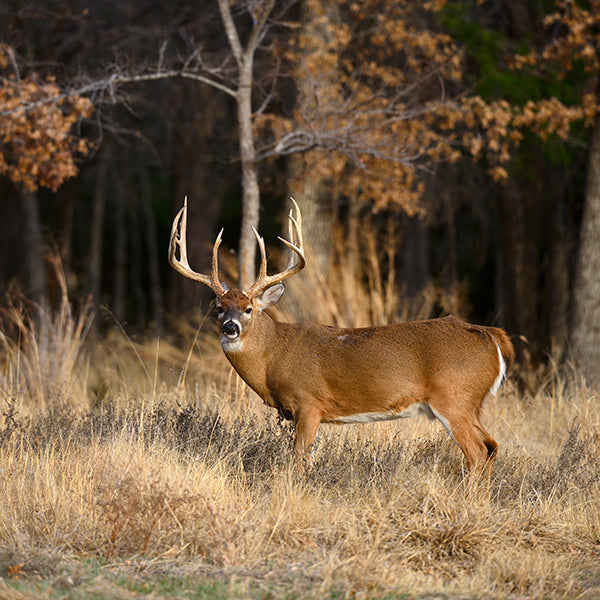
In farm country that clock may run to beans, alfalfa, clover, or standing grain. In timber it may be acorns, soft mast, or a pocket of green browse. They are not cruising. They are not making reckless daylight loops. They are homebodies with habits — and that makes the opener one of the best windows all year to target a specific deer.
It is also where hunters blow the month before it starts. They sit the same stand too often. They sneak the bedding too early. They treat the first sit like a warm-up instead of the shot it might be. That first intrusion is expensive. Spend it on a maybe and you may not get a second look.
Hunt the opener like surgery. Wind is non-negotiable. Go in quiet. Stay out unless the day is right. Ambush natural movement instead of forcing a close approach. If you are not ready to kill, hunt the edge — field entrances, corridors, staging cover — and gather clean information without becoming part of the pressure. A mature buck in a small October range will punish repeated intrusion faster than any cold front will save you.
Phase 2: The Lull
Then the woods go quiet and hunters panic. Sightings drop. Daylight seems to die. People assume the deer left.
They did not leave. They tightened up.
After that first week, and often into the 20th or so, pressure builds, acorns hit, temps swing, and a mature buck shrinks his world. He is still feeding. Still rubbing. Still using the same general routes. He is just doing it in a smaller, safer box. More predictable. Harder to reach.
This is not the week to charge the bedroom. Work from the outside in. Fringes first. Observation. Sign. A cellular camera on the edge of bedding, on trails in and out of food, on a fresh rub line or scrape. You are not chasing him. You are mapping the wall of his security zone.
Keep boot traffic honest. Fresh tracks, droppings, rubs, and scrapes matter. Your scent trail matters more. If you stay light, you can catch him slipping a little earlier or later as wind, thermals, and food shift.
Hunt transitions, pinches, and terrain that funnels him without a noisy walk-in — saddles, inside corners, narrow benches in the timber; access routes and staging cover in ag. The lull rewards the hunter who does not quit. Most people do. They call it dead, burn the core out of frustration, or pack it in until the rut. Stay disciplined here and you are still in position when he finally makes a mistake.
Phase 3: Red October
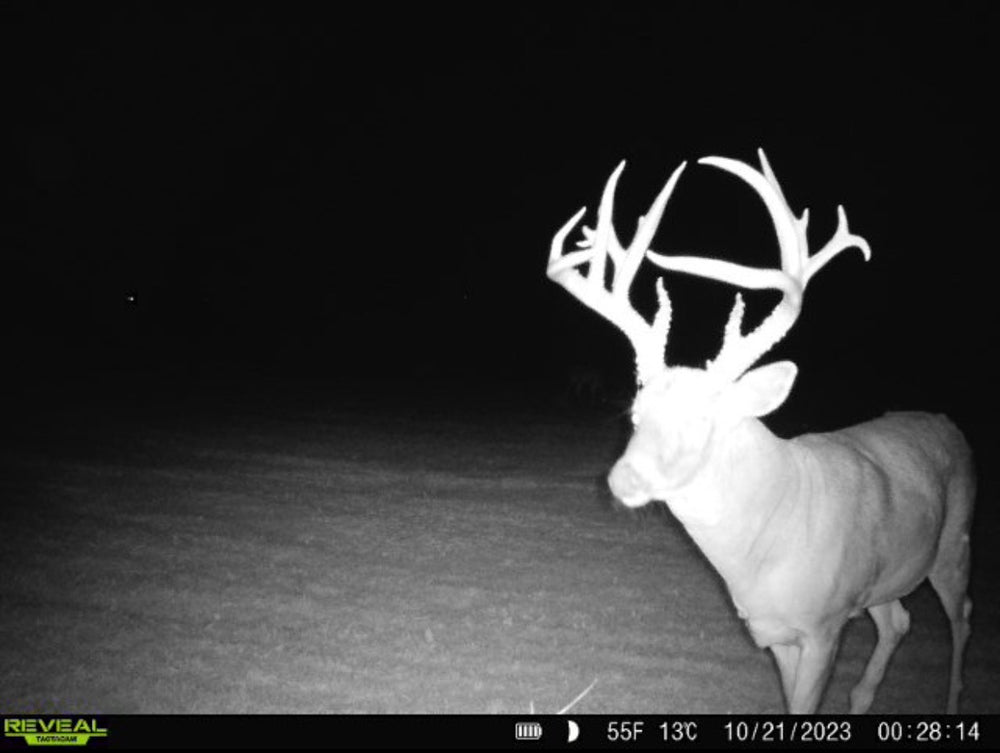
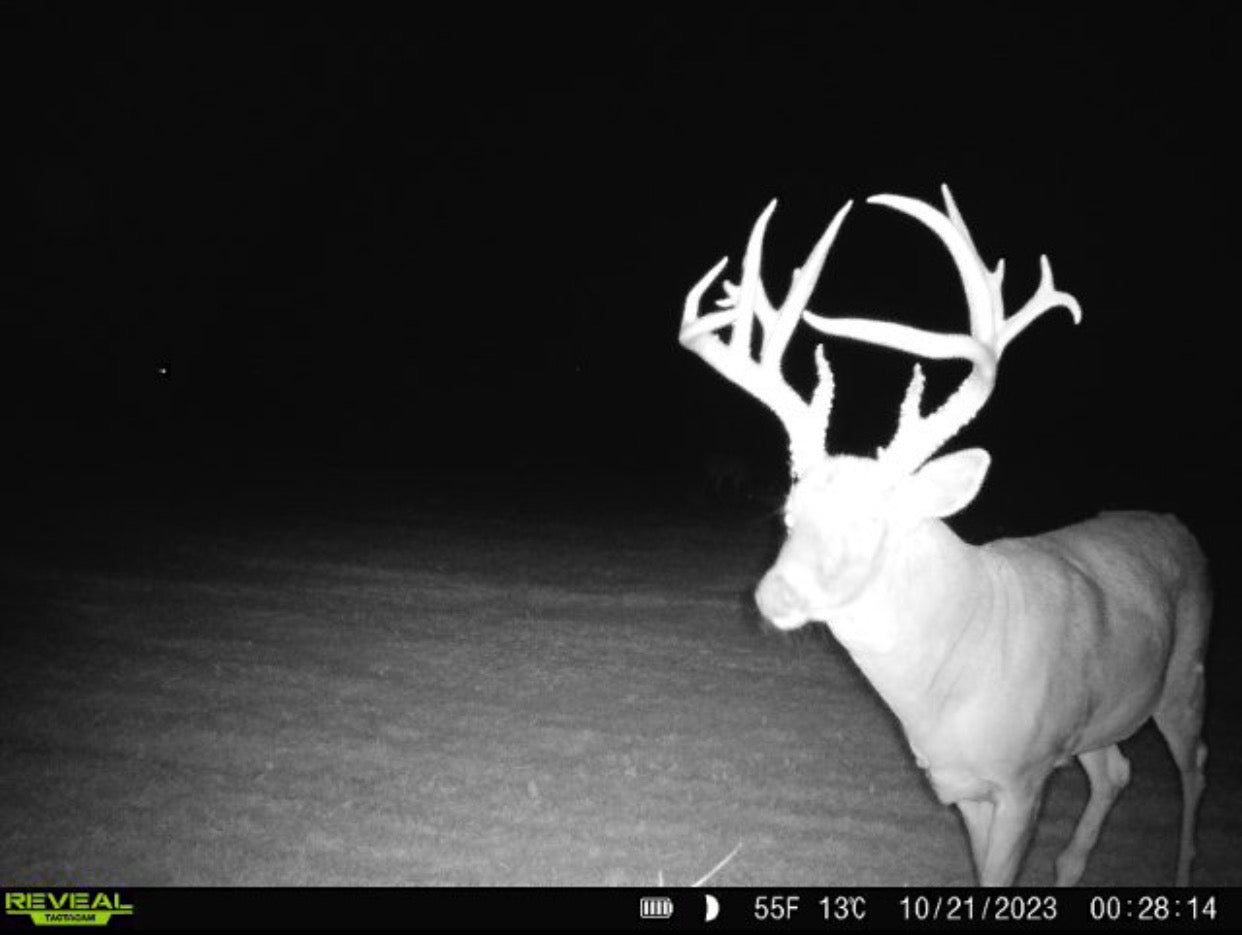
The last ten days are when the month starts to lean forward. Testosterone climbs. The first does in some country are close. He feels the rut before the woods explode. That in-between is the gift.
Red October blends two things that rarely line up: he still has a feeding pattern you can read, and his body is telling him to stand up earlier and check for doe activity. He is not locked down like week one. He is not wandering three properties like November. He is primed. That is a dangerous place for a buck to live.
Wind gets even meaner here. He may move in daylight — if he feels safe. Wrong thermals, sloppy entry, a setup that puts him through your scent and the chance is gone. The best sits have a clean wind and a natural reason for him to walk that line.
Stop hunting "October" in general. Hunt the new mindset. Fresh rubs. Scrape lines. The first sign he is checking does. Ease closer to the secure routes between bed and feed, but do not get greedy. Access still has to keep you invisible. When a good wind lines up with a dawn or dusk window — especially those overhead or underfoot periods if you hunt the moon — I have watched locked-down bucks stand up and make a mistake. That is the whole point of surviving the first two phases: you still have a property left to hunt when he finally gets sloppy.
Let the Setup Grow With the Month
The worst October habit is one strategy from the 1st to the 31st. Deer do not live that way. Neither should your stands, access, or timing.
Early: hunt off summer sign and clean bed-to-feed movement. Low pressure. Make the first sit count. Middle: observe, read fresh sign, gather low-impact intel. Let them show you where they feel safe. Late: tighten up again and trust daylight more — especially if he is still living in a small core.
Access can kill any phase. A great tree with a dirty walk-in is a wasted tree. Stay downwind. Use cover. Do not teach them your route. Catch him once and he may rewrite the script overnight.
Patience is not sitting the wrong place forever. It is being selective, adapting, and striking when the day is right. The opener hands you clean patterns. The lull tests whether you can keep a property alive. Red October turns up the heat on the buck that thought he had it figured out.
That is the beauty of the month. It changes just enough to punish the careless — and not so much that you cannot stay ahead if you think like the deer and move with purpose.
— Adam Hays III