Without Burning a Property Out
The deer didn't vanish. Your impatience is about to.
The cameras still have him. The rubs are still wet. You know the buck is on the place. Then daylight dies, the sits go empty, and that little voice starts whispering that you should just sneak into the bedding and make something happen.
That voice is how good properties get wrecked.
The October lull is not a ghost town. It is a tightening. Deer are still feeding, bedding, drinking, and checking the wind. They are just doing it in a smaller, safer box — and they will learn you fast if you hunt November in the middle of October. Treat this stretch like a chess match and you keep the property alive long enough to kill him on your terms. Treat it like a race and you turn a daylight deer into a night-only rumor.
They Are Still There
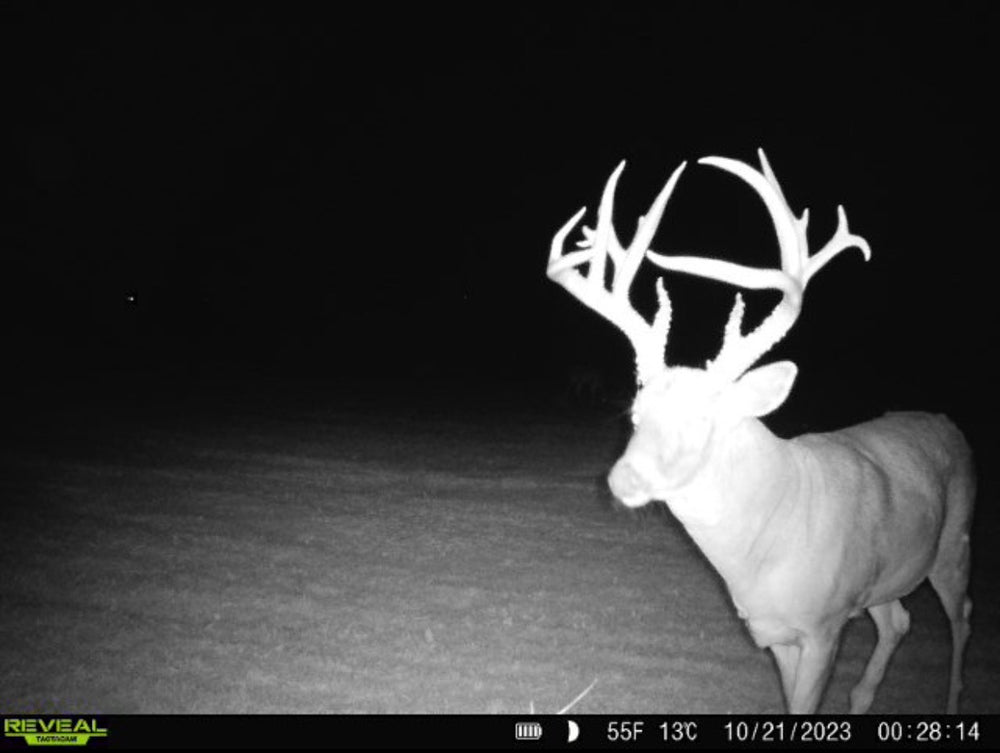
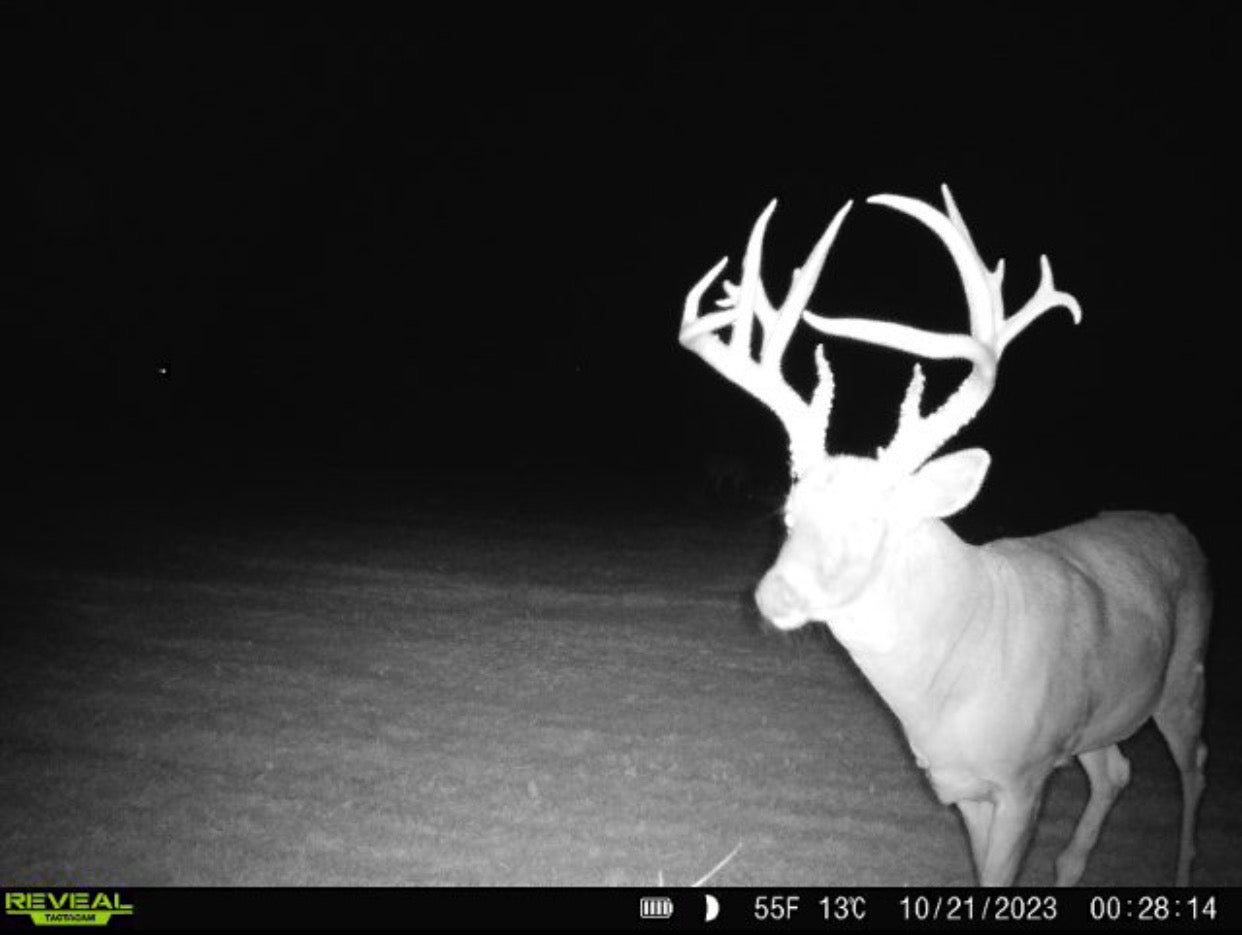
Low daylight sightings do not mean low activity. Mature bucks do not evaporate. They shift.
Early October they may still lean on summer food. Then pressure builds, acorns drop, the days stay warm, and they slide into thicker cover and tighter routines. They travel less in the open. They still use the same core every day.
That is the secret most hunters miss: an October buck can be more predictable than a November buck. He is just harder to reach without bumping him. Same general feed. Same secure pocket. Same route between them. No more long, careless daylight walks. Cover. Wind. Tucked in.
If you are not seeing deer, do not declare the property dead. Assume they got tighter — and your setup has to get smarter.
Start on the Edges
If you want the place fresh when it matters, hunt the outside first. Field edges. Transition strips. Travel corridors. Observation sits that let you watch without walking into the bedroom.
Every trip into the heart of a property costs something. Spend that currency too early and there is nothing left for the payoff. Hunt the perimeter and you can confirm daylight movement, food, and wind without rewriting the deer's routine.
Field edges still work when they are hitting acorns, green plots, or leftover summer feed. So do the skinny seams between thick bedding and open food — the spots hunters walk past because they want the "obvious" tree. In the lull, subtle is often better. Mature deer are allergic to exposure.
Observe Like a Guide, Not a Gambler
An October observation sit is not a low-odds apology hunt. It is reconnaissance. You are there to answer questions, not force a shot.
Where are they entering? What wind do they want? Which food is getting daylight? Are the rubs and scrapes shifting? The best of these sits sit on the fringe. See without being seen. Leave without teaching a lesson.
Cameras help when they sit on natural traffic — trails, pinches, fresh rubs, food edges — and when you do not turn the property into a hardware store. Too many cameras is just more scent and more tracks. Keep it simple. Let the deer tell you where they want to be.
The real value is discipline. Observation gives you a job besides "just hunting." Stay patient long enough to collect the truth, and the aggressive sit later actually has a reason.
Do Not Invade the Core Because You Are Bored
This is the wreck. You know where he beds. You know he is close. Movement has slowed. So you tell yourself you will slip in once and see.
Once is how the whole month disappears.
Bedding is the last place you go unless the reason is specific, the wind is right, and the plan is real. Even then, treat it as a one-time strike, not a rotation. Mature bucks can handle a lot. They will not handle you in their bedroom on repeat. Blow them enough and they shift, go nocturnal, or vanish into cover you cannot hunt.
Just because you can hunt a spot does not mean you should. Sometimes the killer move is backing out.
Hunt Sign, Not Mood
October will get in your head. A few empty sits and hunters start guessing. Guessing is expensive.
Fresh sign keeps you honest. New rubs. Working scrapes. Tracks. Trails that still look used. Daily sign in a zone means they are still working it. Cold sign means it is time to slide. Bucks rarely flip overnight, but they do drift — thicker security, closer to doe bedding, off the side of the property you fell in love with two weeks ago. Stay married to old intel and you are hunting yesterday.
Move with the deer only after the ground says move. No panic. No stubbornness. Adjust.
Know When to Tighten the Circle
Patience is waiting for the right move. Passivity is sitting on dead information and calling it strategy.
Fresh edge movement near a core, a new rub line, daylight on a funnel, a camera that suddenly lights up — that is a green light to plan something closer. Quiet property and no confirmation? Stay conservative. Let him make the first mistake.
Proof can be a daylight appearance, a scrape that was not there Friday, or weather that finally hands you an entry: a cool front, falling temps, a wind that lets you slip in clean. Sometimes the stand was always there. You were waiting on the day.
Protect the Walk In
Great sign will not save a sloppy access route. October deer are wired for pressure. Scent or noise in the wrong place and they learn in one sit.
Entry and exit matter as much as the tree. Use terrain, cover, and wind. Stay off the trails they own. Do not cut the heart of the property in the dark if you can help it. If the route is dirty, stop using it.
Think about how the deer experience you. Slip in clean, hunt clean, leave clean — and you have already won half the fight.
Discipline Is the Weapon
The lull punishes impatience. That is also why it separates hunters.
Hunt the edges. Make the observation sits. Read the sign without lying to yourself. Leave the core alone until the day is earned. You may not see a parade every evening. Fine. The goal is not constant action. The goal is to stay invisible long enough to be there when he slips.
The deer are still there. Smaller spaces. Tighter habits. Rush them and you give away the advantage. Let them show you when and where to move and you stay in the game.
Treat every sit like it costs something, because in October it does.
The hunters who come out of the lull with a property still intact are usually the ones standing there when the cold front, the right wind, and the right buck finally stack.
That is when the lull stops feeling like a slowdown — and starts looking like the setup you were waiting for.
Hunt smart. Keep the property alive.
— Adam Hays III
Partner Offers

Blindside Lighted Nocks |
RAW Frozen Scents |