September can be gold — if you don't blow it. Deer are still patterned enough to read, but they're already sliding toward fall habits and they notice pressure fast. Scout the wrong way and you educate every mature buck on the property before opening day. The fix is simple: gather intel without walking into their bedroom.
Start With Glassing Points and Observation Stands
Find a spot on the edge of a field, cut, or opening where deer already feel safe, then watch from a distance with binoculars or a spotting scope. An observation stand does the same job from above. You're not sneaking into the core. You're sitting far enough back that the deer never know you're there.
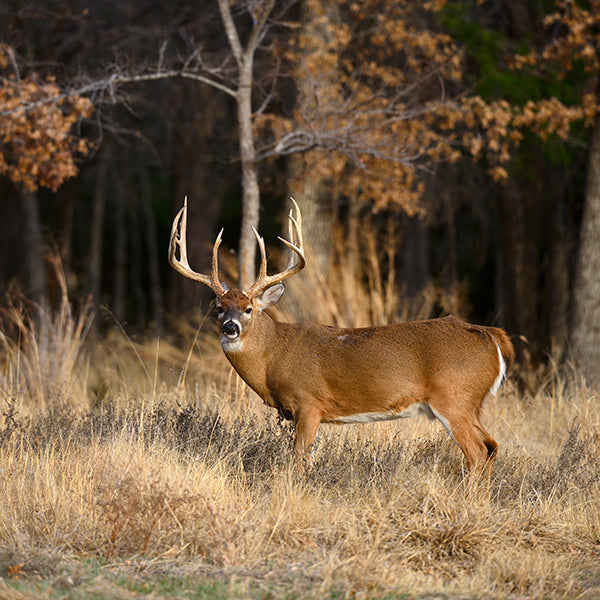
That quiet view can tell you what you need: which food sources they're hitting, which trails they prefer, when they appear, and whether a mature buck is showing up with the consistency that makes him hunt-able.
Trail Cameras Are Not a Hall Pass
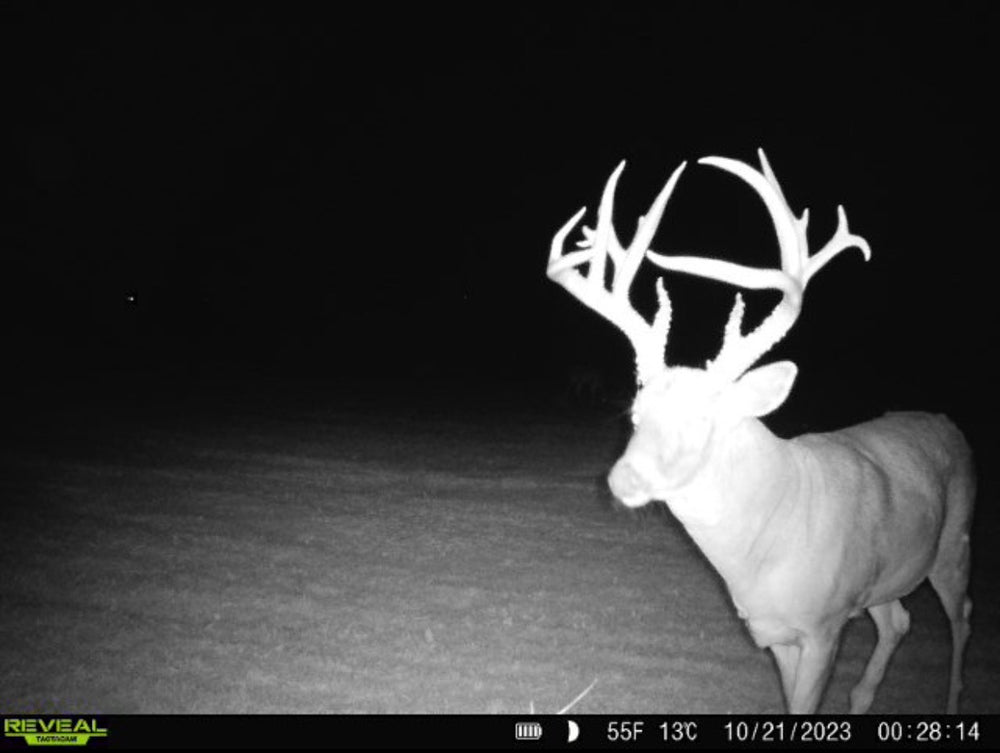
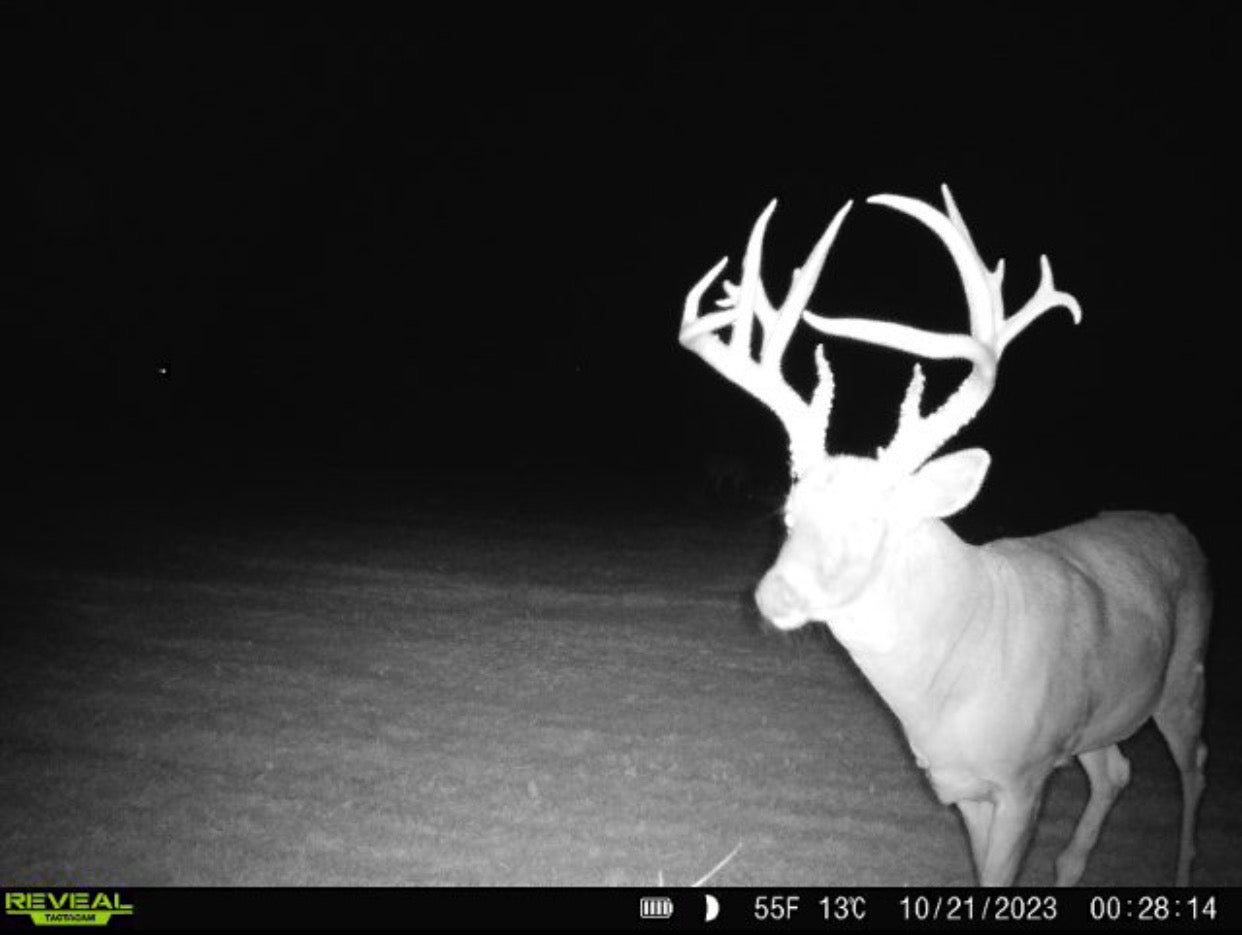
Trail cameras help — but they're not a hall pass to roam the whole farm. Put them where deer already want to travel: field edges, transition lines, and the obvious trails in and out of feeding areas. Check them fast and quiet.
Skip any setup that forces you deep into bedding just to pull a card. If maintaining the camera means busting deer, it's too much for September. Sometimes the smartest play is to hang it on the edge and leave the spot alone.
Entry and Exit Matter as Much as the Stand
Too many hunters scout the obvious feeding spots and ignore how they'll actually get there. Entry and exit routes matter as much as the stand tree. A perfect oak is worthless if you have to walk past bedding, cross a main trail, or leave scent where deer will hit it.
Watch how they enter and leave food, where they stage before dark, and how they move from bed to feed without exposing themselves. Those travel details often matter more than the exact field they're eating in.

Work the Edges, Not the Core
Keep pressure low by working the edges, not the core. Start on the outside: field corners, creeks, ditches, finger ridges, fence crossings, and the first lines of cover that lead toward bedding. Fresh tracks, rubs, droppings, and beaten paths will tell you a lot without ever stepping into the deer's safest cover.
Mature bucks live by staying just out of reach. Push into that cover too often and you'll change their pattern before the season starts.
Know When to Quit
The best September scouts know when to quit. More miles on the boots does not always mean more answers. Once you've confirmed feeding areas, entry routes, and preferred winds, back out and let the place settle.
You don't need to know every inch of the property. You need enough clean information to make one well-timed hunt when the season opens.
Scout with discipline. Glass from a distance. Put cameras on travel deer already use. Stay out of bedding unless you have no other choice. Keep every approach and exit quiet and efficient.
September scouting should leave deer feeling undisturbed — not studied. That's how you learn more without tipping your hand before opening day.