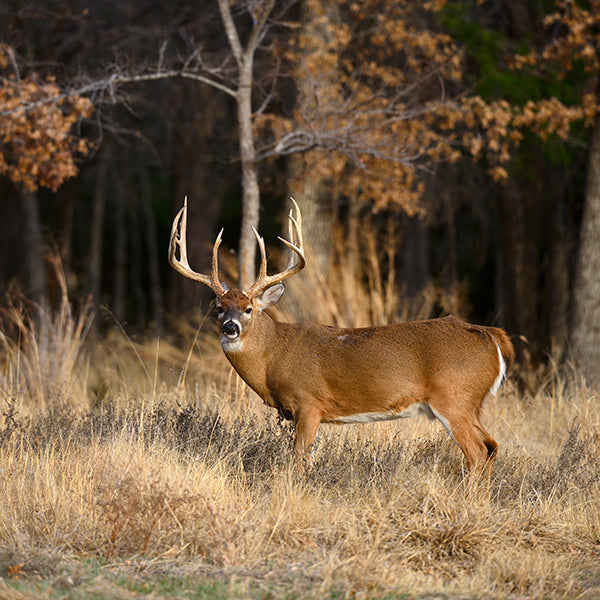
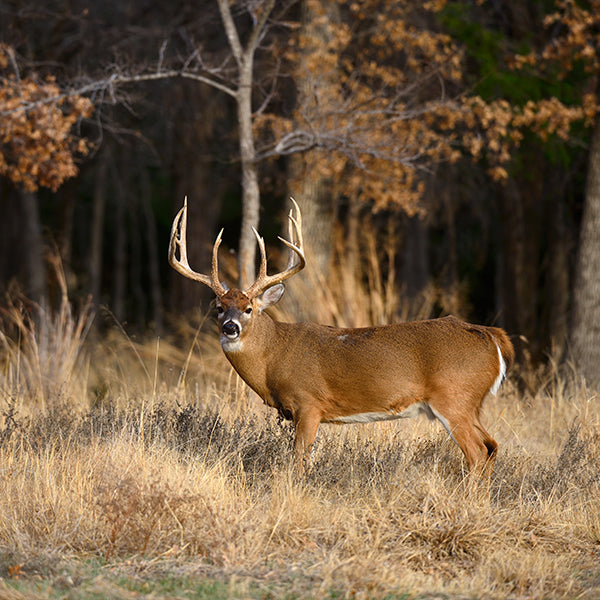
September is a turning point in the whitetail woods. Early in the month, bucks still act like summer deer. They stay in bachelor groups and keep hitting the same soybean fields, alfalfa patches, or secluded green food sources they used all summer. With little pressure, they can remain surprisingly predictable — showing up on a regular evening pattern with daylight to spare.
That pattern does not last. As summer fades, several changes happen at once. Velvet sheds, testosterone rises, and the social mood of the buck herd shifts. The easygoing attitude of summer disappears. Mature bucks become more cautious, more secretive, and far less willing to step into open feeding areas. At the same time, some food sources dry up or lose quality, so deer adjust their travel routes and spend more time in secure cover.

Why Late September Matters
That is why late September can be such a valuable window. A buck may still live near his summer haunt, but he no longer uses it with the same confidence. He tightens up around his core area, often moving less and choosing cover that gives him a stronger sense of security — thicker bedding, shaded travel corridors, and edges near acorns, green browse, or whatever food remains.
September Is Not One Season
For the hunter, the key is understanding that September is not one season. It is a transition. Early September can still look like summer scouting and patterning. Late September starts to feel like pre-rut work, where rubs, scrapes, and changes in movement tell the real story.
A buck that was easy to watch in August may seem to vanish overnight. More often than not, he has simply shifted his routine and reduced his exposure.
Watch the Changes
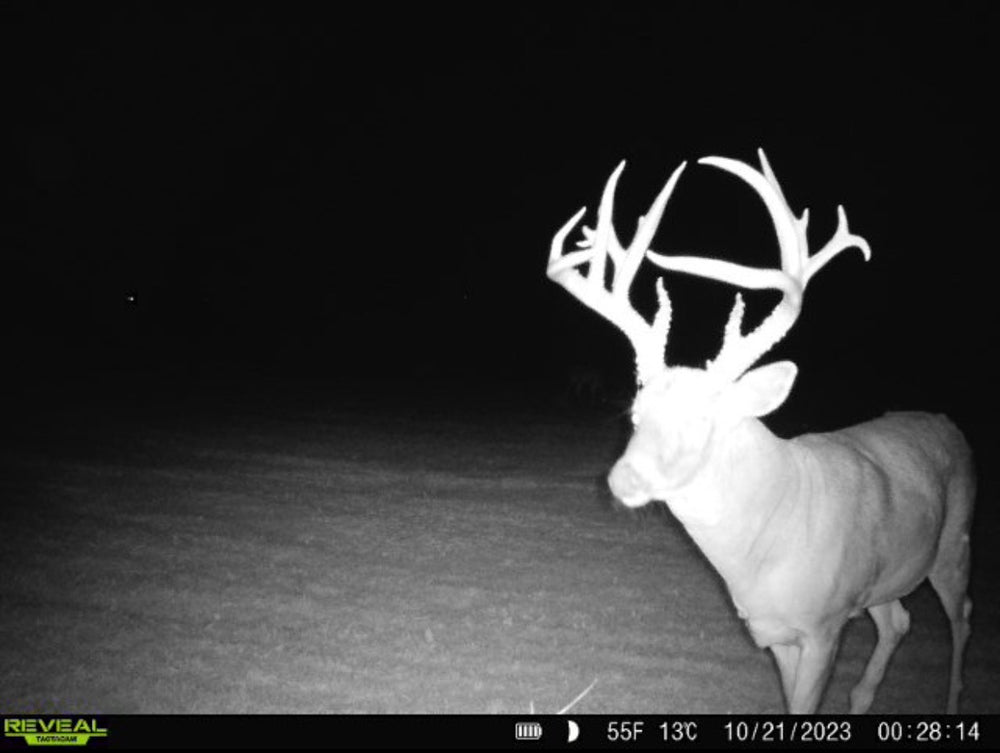
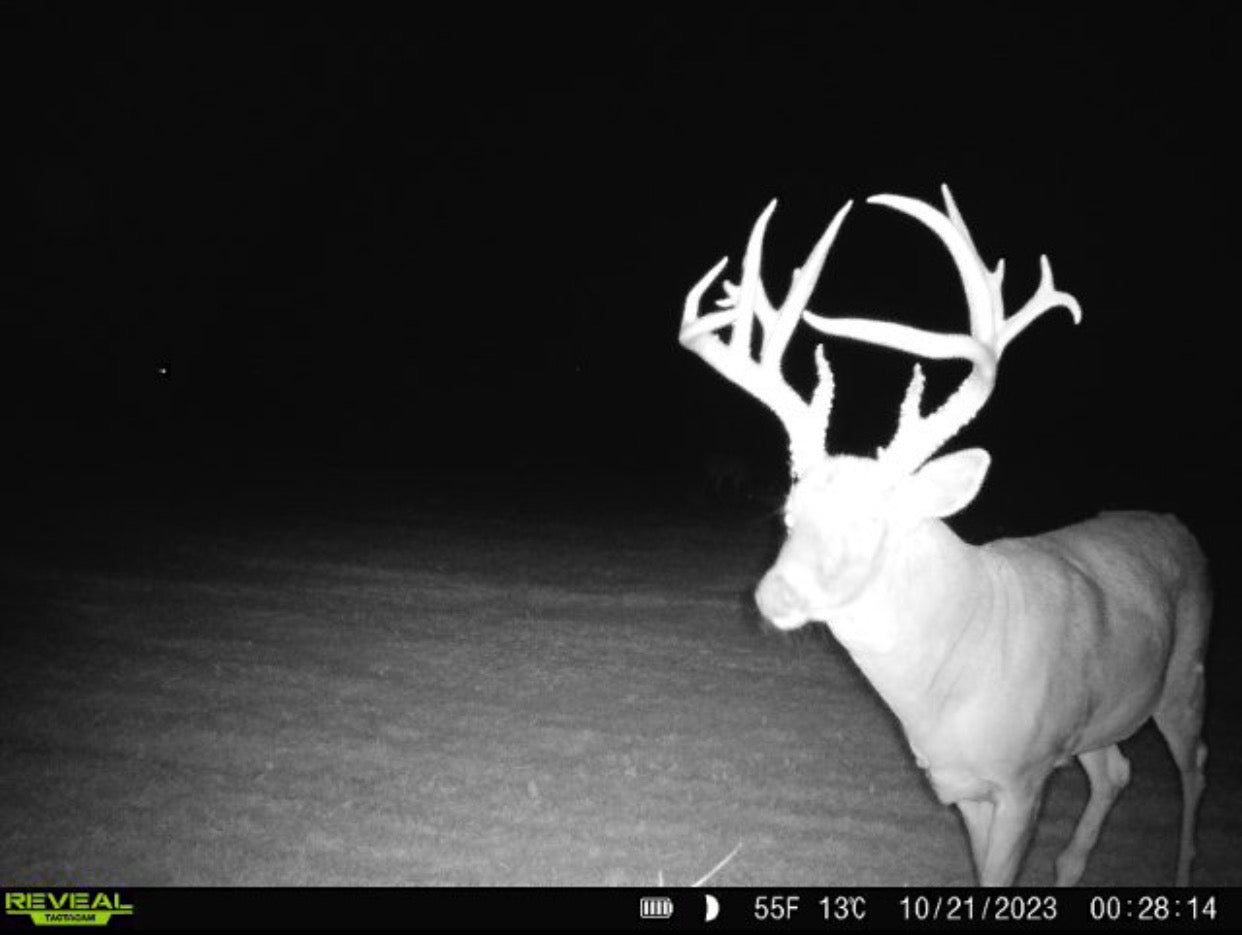
The best hunters watch those changes. They note how a buck uses food, which wind directions he prefers, and where he moves when pressure increases. Trail cameras, glassing from a distance, and low-impact scouting help confirm whether he has left the area or simply gone nocturnal and tucked into nearby cover.
September is a month of adjustment. Treat it that way. Bucks are not gone — they are changing.
Stay ahead of that change, and you can still catch a mature buck at one of the most huntable times of the season.